The Morning My Account Blinked Red: A Crude Oil Postmortem and the Three Rules That Followed
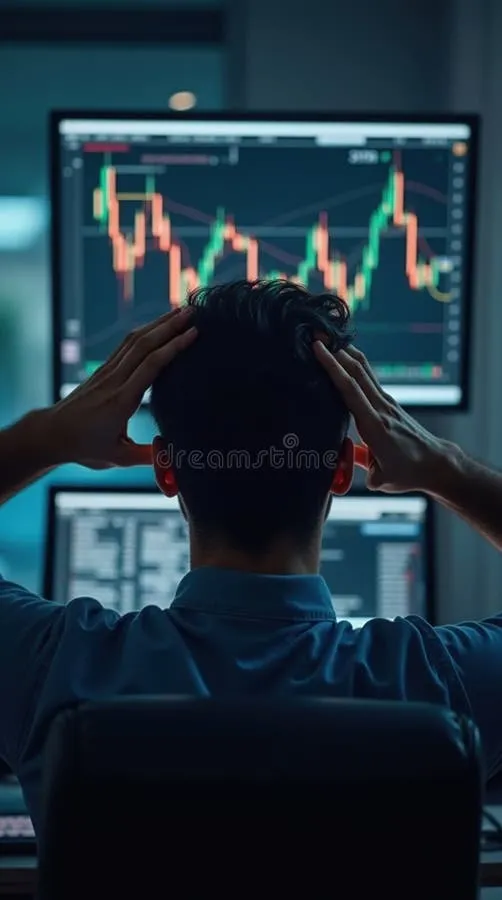
Photo: trader stressed looking at falling red charts on multiple monitors trading desk, via thumbs.dreamstime.com
There is a particular sound a trading account makes when a margin call hits. It isn't a sound at all, really — it's the silence of your risk desk inbox, the red numbers on the statement, and the slow realization that a position you described as 'manageable' two days ago is now managing you.
My version of that moment arrived during a crude oil squeeze several years ago. I was short, I was stubborn, and I was wrong. By the time I flattened, the damage ran to roughly $50,000 — not enough to end my career, but enough to end the way I had been trading. What follows is the honest postmortem, because I suspect some of you are currently making the same mistakes I made, just with different tickers.
How a 'Small' Position Became a Large Problem
The setup looked textbook. Inventories had been building, the curve was softening, and I had a well-formed thesis about a downside move in WTI. I sized the position the way I always did — big enough to matter, which in hindsight meant big enough to hurt.
Three things went wrong in sequence, and none of them were the market's fault.
First, I added to the loser. Averaging into a losing short felt like conviction at the time; it was actually denial with extra leverage. Second, I had no hard stop. My 'stop' was a level I planned to 'respect' — an intention, not an order. Third, I ignored the calendar. OPEC headlines and a scheduled inventory report were sitting directly in front of my thesis, and I convinced myself I'd 'manage it if it happens.'
It happened. The rally was violent, the margin desk called, and I covered near the worst print of the move. The loss wasn't caused by a bad thesis. It was caused by a bad process wrapped around a thesis that might have been fine.
Rule One: Size for the Worst Day, Not the Average One
Before that trade, I sized positions against what I expected to happen. Now I size against what would happen if the market gapped against me overnight or printed a two-standard-deviation move within an hour.
Concretely: my per-trade risk now lives at a level where three consecutive stop-outs — the realistic worst streak — costs me less than 5% of account equity. That constraint forces smaller size on volatile contracts like crude and NG than on Treasury notes, and it removes the temptation to 'feel' my way into sizing. The math decides. I just execute it.
If a position is worth taking, it's worth taking at a size that lets you survive being wrong. If it's only attractive at the larger size, it isn't a trade. It's a bet.
Rule Two: Stops Are Orders, Not Aspirations
The single dumbest sentence I said during that episode was 'I'll watch it.' Watching is not risk management. Mental stops fail for a predictable reason: when the level hits, you're emotionally invested in hoping rather than exiting.
Today, every entry is paired with a working stop order placed before the position reaches full size — a bracket, an OCO, whatever the platform calls it. The level is chosen at entry, when I'm calm, not at the moment of pain, when I'm not. Yes, stops get run through in choppy sessions. That's the premium you pay for knowing your maximum loss before the market opens. It is, in my experience, the cheapest insurance in the futures business.
Rule Three: Never Hold a Thesis Through a Known Catalyst Unhedged
Inventory reports, FOMC decisions, crop reports, OPEC meetings — the calendar tells you exactly when your thesis will be stress-tested. Pre-crude, I treated scheduled events as noise I'd navigate in real time. That's not navigation; that's roulette.
The framework now: if a known catalyst falls inside my expected hold period, I either reduce size to a level I can lose without flinching, hedge with options, or stand aside and re-engage after the print. Missing the occasional move costs nothing. Being on the wrong side of one at full size costs $50,000, or worse.
Discipline Is Built From Damage, Not From Discipline
Here is the uncomfortable truth about emotional control in this business: nobody reads a book about position sizing and becomes disciplined. Discipline is scar tissue. It's built by losses that were large enough to change you, and by the specific, boring rules you write down afterward while the wound is still fresh.
My $50,000 tuition bought three rules that have quietly protected far more capital than they cost. Size for the worst day. Stops are orders. Respect the calendar. None of these will make you a better analyst. All of them will make you a trader who's still here next year — which, in futures, is the entire ballgame.