The Elevator Is Already Open: A Delivery-Week Execution Audit for Grain Futures
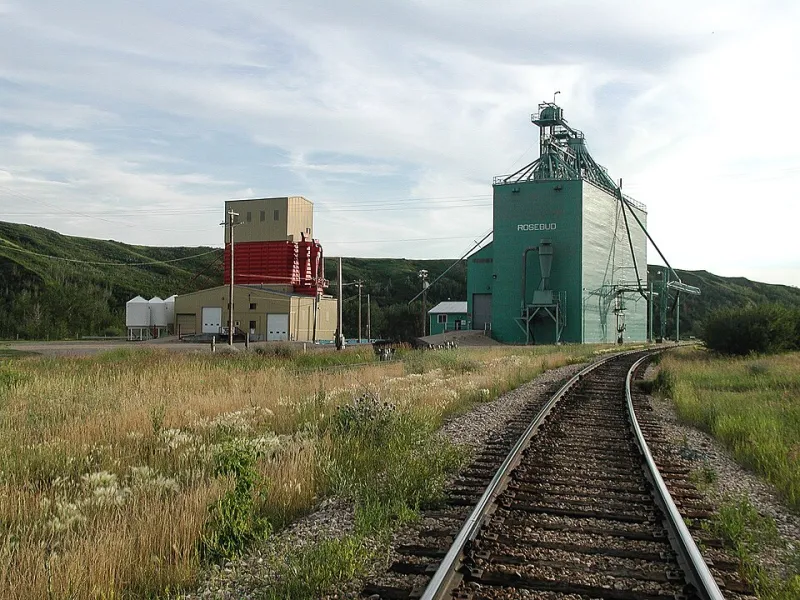
Photo: Gordon Leggett, CC BY-SA 4.0, via Wikimedia Commons
Most expiration calendars are built around a last trading day. In CBOT grain futures, that is only the visible end of the process. The more consequential date for a long is first notice day, when the clearing system begins assigning delivery notices. At Futures Working Group, the desk treats delivery week as an execution problem first and a forecasting problem second. The chart may show a price; the clearing file shows an obligation.
For December 2026 corn and soybean contracts, first notice day falls on the last business day of November. The last trading day is the business day before the 15th of the contract month. Between those two markers, a position can change character: a speculative long becomes a candidate for delivery assignment, a short becomes a candidate for issuing notice, and the calendar spread that looked routine can lose the liquidity needed to exit cleanly.
The Notice Clock Is a Clearing Clock
First notice day is not an exchange-wide moment when every position is automatically delivered. It is the start of a notice cycle administered through clearing firms. A short that intends to deliver files notice with its clearing member; the clearinghouse assigns that notice to a long. The long may not know the assignment is coming until the firm reports it. By then, the trade may already be past the point where a simple flatten order would have avoided the obligation.
The operational cutoff usually arrives before the exchange deadline. Clearing firms publish their own times for delivery intent, notice submission, and position flattening. Those times exist because the firm needs a buffer to process instructions and manage its own delivery exposure. A trader who watches only the exchange calendar is watching the wrong clock.
A Hypothetical December Soybean Long
Consider a hypothetical 10-lot long in December 2026 soybean futures, established in October as a carry and basis trade. The position is profitable on paper, and the trader plans to roll into March before expiration. Nothing in the price chart demands action on the last business day of November. The clearing cutoff does.
If the long is still open when the firm stops accepting flatten instructions, the position can be assigned a delivery notice. Assignment means the long pays the invoice price and receives the delivery instrument, typically a warehouse receipt or shipping certificate depending on the contract and location. The trader has not merely held a futures position; the trader has entered the delivery process. That process brings storage, freight, inspection, and financing considerations that were never part of the original trade.
Carry and Basis Stop Being Background
In a normal week, carry and basis are analytical inputs. In delivery week, they become execution costs. The futures price and the cash price converge through a delivery mechanism that is location-specific and quality-specific. A long that receives notice does not receive an abstract bushel; it receives a claim on grain at a particular facility under particular terms.
For corn and soybeans, delivery locations and shipping certificates can create a cheapest-to-deliver dynamic that favored the short during the contract’s life. As first notice day approaches, that dynamic can sharpen. The nearby futures price may appear stable while the basis for the deliverable location moves. A trader who is not tracking the delivery instrument may misread the risk as a simple price chart.
Margin Is a Firm-Level Decision
Exchange maintenance margins may not jump dramatically in the final days of a grain contract. Clearing-firm margins can. Firms often raise requirements for positions held into the notice period, and some impose separate delivery margins. The practical effect is that a position which fit the account on Monday may not fit it on the cutoff date.
This is not a reason to treat margin as a surprise. It is a reason to ask the clearing firm for its delivery-week schedule before the position is large enough to matter. The desk’s rule is simple: know the firm’s cutoff, the exchange’s last trading day, and the account’s available excess in that order. The first two are calendar facts. The third is the one that determines whether an exit is optional.
Exit Routes and Their Frictions
A long that wants to avoid delivery has three broad choices: flatten, roll, or prepare to receive. Each has frictions that widen in delivery week.
Flattening is the cleanest route, but liquidity in the nearby contract can thin as commercial participants step away and spread volume migrates. Market orders in that tape invite slippage; limit orders may sit unfilled while the notice clock runs. The desk prefers to work exits before the final session, using the calendar spread when the goal is to maintain exposure rather than abandon it.
Rolling is not a single trade. It is a spread execution with two legs and a timing decision. The December-to-March spread may be liquid earlier in the notice window and less forgiving later. A trader who waits for first notice day to roll is asking the market to provide liquidity exactly when other longs are asking for the same thing.
Preparing to receive is a legitimate choice only for accounts with the operational capacity to handle delivery. That means understanding the invoice, the delivery location, the storage terms, and the financing cost. For most speculative accounts, the correct answer is to avoid assignment rather than manage it after the fact.
The Checklist Before the Cutoff
Delivery week rewards preparation over prediction. Before the November cutoff, confirm the clearing firm’s notice and flatten times. Identify whether the position is a candidate for assignment and whether the account can carry delivery margin. Review the calendar spread’s liquidity and choose a limit price before the final session. If the intent is to exit, work the order early and document the execution. If the intent is to roll, treat the spread as a trade, not a bookkeeping entry.
The grain market does not need a dramatic headline to create delivery risk. It only needs a trader who confuses the last trading day with the last chance to act. First notice day is the earlier, quieter deadline. The elevator is already open before the chart says the trade is over.